


What makes rotational moulded products different from other plastic products?

When I look at rotational moulded products, I notice some key differences. Polyethylene gives them toughness, surface hardness, and chemical resistance.
- Many industries choose these products for their lightweight strength.
- The process lets me design custom shapes easily.
- Demand keeps rising, with strong market growth each year.
Key Takeaways
- Rotational moulding creates strong, seamless products that resist leaks and breaks.
- This process allows for custom shapes and designs, making it ideal for various industries.
- Using recycled materials in rotational moulding helps reduce waste and supports sustainability.
How Rotational Moulded Products Are Made Differently
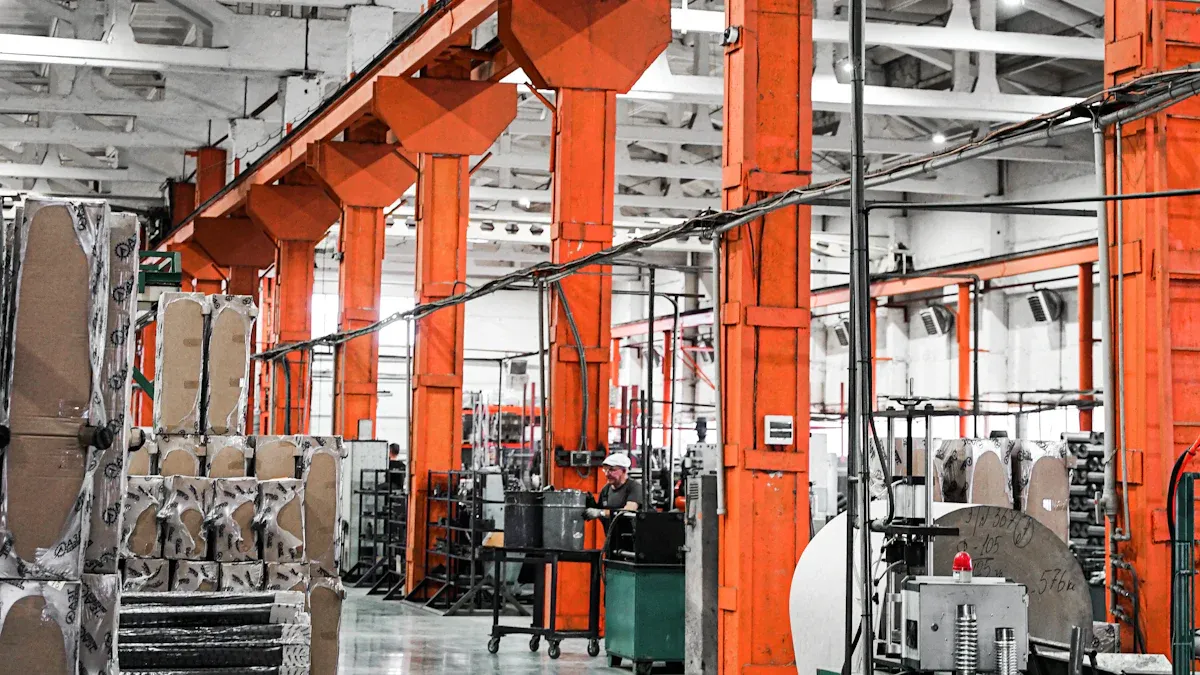
The Rotational Moulding Process
When I work with rotational moulded products, I follow a unique process that sets them apart from other plastic items. The steps look like this:
- I prepare a hollow mold and coat it with a release agent.
- I load powdered plastic resin into the mold.
- The mold rotates on two axes while I heat it in an oven. The resin melts and sticks to the inside walls.
- I cool the mold, which hardens the plastic into the final shape.
- I stop the rotation and open the mold to remove the finished product.
This process does not use high pressure. Instead, the plastic melts and coats the mold evenly. I find this method especially useful for making large, hollow, and seamless items. I can even create double-walled parts, which adds strength and durability.
I often choose from several materials for this process. Here is a table that shows some common options and their uses:
| Material | Properties | Applications |
|---|---|---|
| Polyethylene (PE) | Excellent chemical resistance, low moisture absorption, impact resistance | Tanks, containers, outdoor furniture |
| Polypropylene (PP) | Exceptional fatigue and chemical resistance, lightweight | Automotive components, industrial products |
| PVC | High resistance to environmental stress, strong and rigid | Outdoor signage, pipes, tanks |
| Nylon (PA) | Superior strength, wear resistance, heat resistance | Automotive parts, gears |
| Polycarbonate (PC) | High impact resistance, transparency | Protective covers, optical lenses |
| TPE | Flexibility, rubber-like qualities | Seals, grips, cushioning |
| Engineering Resins | High strength, rigidity, impact resistance | Gears, bearings |
I notice that polyethylene is the most popular choice. It gives rotational moulded products their toughness and resistance to chemicals.
Comparison with Injection and Blow Moulding
I see big differences when I compare rotational moulding to injection and blow moulding. Injection moulding pushes melted plastic into a mold under high pressure. Blow moulding uses air to expand a molten tube inside a mold. Both methods work fast and suit high-volume production.
Here is a table that shows how their cycle times compare:
| Moulding Type | Cycle Time (parts per hour) |
|---|---|
| Rotational Moulding | 1-2 |
| Blow Moulding | ~70 |
| Injection Moulding | Short cycle times |
Blow moulding and injection moulding produce many parts quickly. Rotational moulded products take longer because the process involves slow heating and cooling. I often wait over 30 minutes for one cycle, while blow moulding can finish in less than a minute.
Energy use also differs. Injection moulding needs a lot of energy to heat and cool heavy metal molds. Blow moulding uses compressed air and is efficient for hollow shapes. Rotational moulding heats and cools large molds, which can use more energy for small batches. However, I see less waste with rotational moulding because I do not cut away extra material.
Tip: If I want to make large, hollow, seamless parts, rotational moulding is my best choice. For small, precise, or high-volume items, injection or blow moulding works better.
Effects on Product Quality and Structure
I notice that rotational moulded products have some special qualities. The process creates uniform wall thickness, which is important for strength and durability. I can keep the wall thickness within about 10% across the whole product. This reduces weak spots and defects. Other methods, like injection and blow moulding, often make thinner or uneven walls.
Here is a table that compares the advantages and disadvantages of each method:
| Moulding Method | Advantages | Disadvantages |
|---|---|---|
| Rotational Moulding | - Ideal for large, hollow parts (e.g., storage vessels) | - Generally slower production rates |
| - Flexibility in adding features (inserts, threads, double walls) | - Less precision compared to injection moulding | |
| - Ability to create complex shapes in one piece | ||
| Injection Moulding | - High precision and repeatability | - Limited to smaller parts and shapes |
| - Consistent results across production runs | - Higher initial setup costs |
I also see that rotational moulded products have a lower environmental impact. The process creates little waste and does not release harmful chemicals. I can use recycled materials, which helps the environment, but I must watch for changes in strength or brittleness when I use recycled plastic.
Rotational moulding does have some limits. I cannot achieve the tight tolerances that injection moulding offers. The surface finish may be more textured. The process works best for simple or large shapes, not for tiny or very complex parts.
Unique Benefits and Applications of Rotational Moulded Products
Seamless Construction and Enhanced Durability
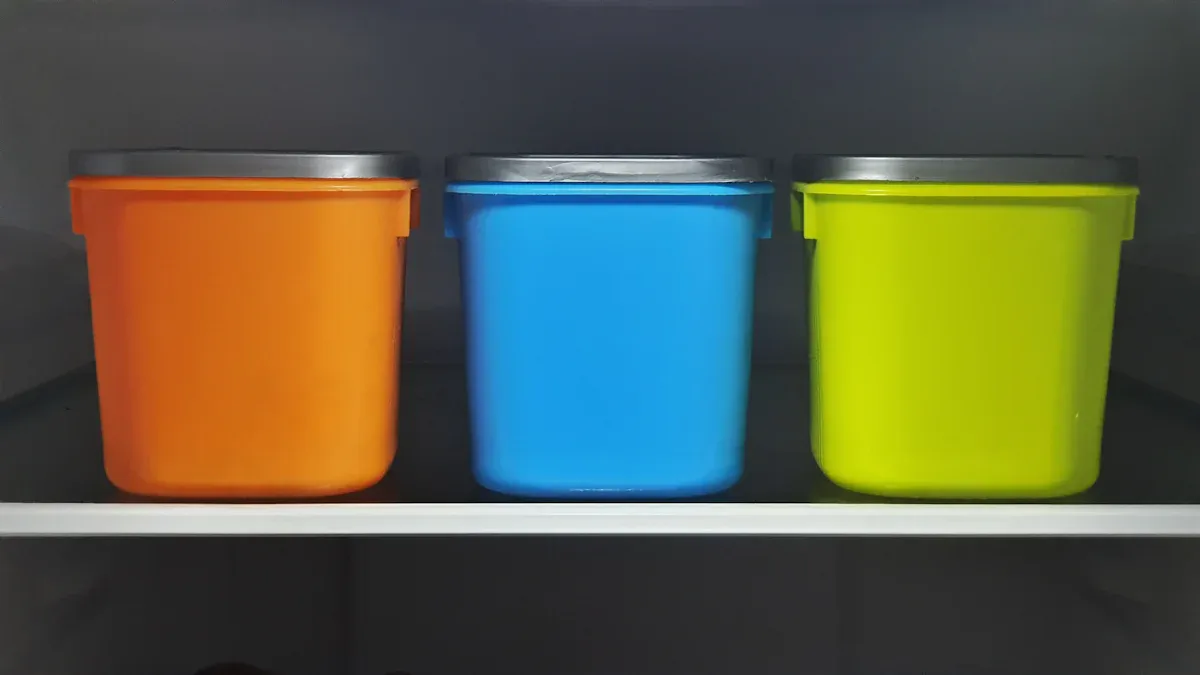
When I make rotational moulded products, I see how the seamless construction gives them a big advantage. The process forms each item in one piece, so there are no welds or joints. This design removes weak spots that often cause leaks or breaks in other plastic products. I notice that tanks and containers made this way rarely fail, even under heavy use.
The seamless build also means better resistance to stress and impact. I often use materials like polypropylene and polyethylene. Some materials perform better over time. For example, polypropylene has higher creep resistance, which means it holds its shape and strength longer. Here is a table that shows how different materials compare:
| Material | Creep Resistance | Additional Notes |
|---|---|---|
| Polypropylene (PP) | Higher | Stiffer due to high crystallinity and narrow MWD |
| Linear Low-Density Polyethylene | Lower | Commonly used but less durable in long-term use |
I always look for ways to make products last longer. I add UV stabilizers and impact modifiers to the plastic. I also design thicker walls and add reinforcements when needed. These steps help the products stand up to tough weather, chemicals, and rough handling.
Note: Regular cleaning and maintenance keep these products working well for years. I use manual, chemical, or ultrasonic cleaning and keep a schedule for inspections.
Design Flexibility and Customization Options
I enjoy the freedom that comes with designing rotational moulded products. The process lets me create items in many shapes and sizes. I can make small containers or huge kayaks. I can add curves, contours, logos, and slots for extra parts. The molds can be very detailed, which helps me meet special needs for each project.
- I can make products from tiny bins to large playground slides.
- Tooling costs stay lower than with pressure-based molding, so I save money on custom jobs.
- I reuse extra material, which cuts down on waste.
- I add features like inserts, threads, and double walls in one step.
Rotational moulding also supports new ideas. I use multi-layer construction to combine different materials in one product. This gives better protection or special features. I see more companies using advanced resins for stronger, lighter parts. Thin-wall technology lets me make lighter products without losing strength. I also use smart machines and sensors to keep quality high and reduce waste.
| Feature | Description | Benefits |
|---|---|---|
| Multi-Layer Rotomolding | Parts with several material layers | Better performance and protection |
| Thin-Wall Technology | Thinner walls, same strength | Lighter, cheaper, more energy efficient |
| Automation and Smart Tech | Automated systems and sensors | Consistent quality, less waste, faster production |
| Environmental Advancements | Energy-saving machines, recyclable materials | Lower impact, supports recycling |
I always check the mold design before starting. This step helps me avoid defects and keeps costs down. If I need a lot of custom features, the tooling cost can go up. Also, making each part takes longer than with other methods, so high-volume runs cost more.
Tip: I use quality checks and testing at every step. This ensures each product meets the right standards and works as expected.
Typical Uses and Real-World Examples
I see rotational moulded products in many industries. Their strength and flexibility make them a top choice for tough jobs. Here are some common uses:
| Industry | Common Applications |
|---|---|
| Automotive | Fuel tanks, air ducts, protective covers |
| Agriculture | Water tanks, seed containers, animal feeders, irrigation parts |
| Consumer Goods | Storage containers, playground equipment |
I have made large items like kayaks, boat hulls, and industrial tanks. I also see these products in playgrounds, as slides and climbing structures. Trash cans, dog crates, and medical waste containers all use this process.
- Kayaks – Recreation
- Plastic storage containers – Storage solutions
- Trash cans – Waste management
- Playground equipment – Parks and schools
- Industrial tanks – Liquid storage
- Boat hulls – Boating industry
- Fuel tanks – Many industries
- Dog crates – Pet care
- Water carts – Agriculture and landscaping
- Medical waste containers – Healthcare
Rotational moulded products work well in harsh places. I have seen them used for water tanks and feed containers on farms. In aerospace, they make strong, lightweight parts that resist damage better than metal. These products also handle extreme heat and chemicals. For example, polypropylene and nylon 6 both resist high temperatures and chemicals, so I use them for fuel tanks and chemical drums.
| Material | Heat Resistance | Chemical Resistance | Applications |
|---|---|---|---|
| Polypropylene | High | Excellent | Chemical drums, bio-chemical vessels |
| Nylon 6 | Very High | Excellent | Military fuel tanks, oil tanks |
| Polyethylene | Moderate | Good | General containers |
I care about the environment. I use recycled materials when I can. At the end of a product’s life, I recycle it or reuse the plastic. Many companies now use renewable energy and work to cut waste. Programs like ‘Operation Clean Sweep’ help keep plastic out of the environment.
Sustainability Tip: Recycling and using reprocessed materials help reduce plastic waste and support a cleaner planet.
I choose rotational moulded products for their seamless construction and durability. I see lower tooling costs and greater design flexibility compared to other methods.
- Demand for custom shapes keeps rising in many industries.
- Accurate mould design and material selection matter for each application.
| Year | Market Size (USD Billion) | CAGR (%) |
|---|---|---|
| 2025 | 3.57 | 7.15 |
| 2034 | 6.65 | N/A |
FAQ
What makes rotational moulded products stronger than other plastic products?
I see that seamless construction gives these products extra strength. No joints or welds means fewer weak spots. I trust them for tough jobs.
Tip: Seamless design helps prevent leaks and cracks.
Can I recycle rotational moulded products?
Yes, I can recycle most rotational moulded products. I often use recycled plastic to make new items. This helps reduce waste and protect the environment.
Why do I choose rotational moulding for large items?
I pick rotational moulding for big items because the process makes large, hollow shapes easily. I save money on tooling and get strong, lightweight products.